Is Jamaica Safe to Visit Right Now? (January 2026 Travel Update)
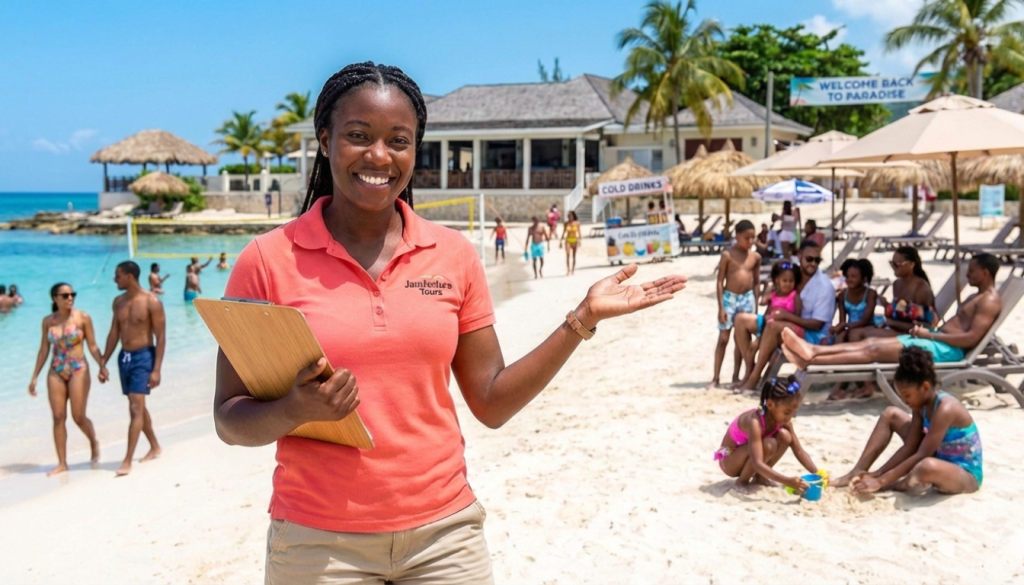
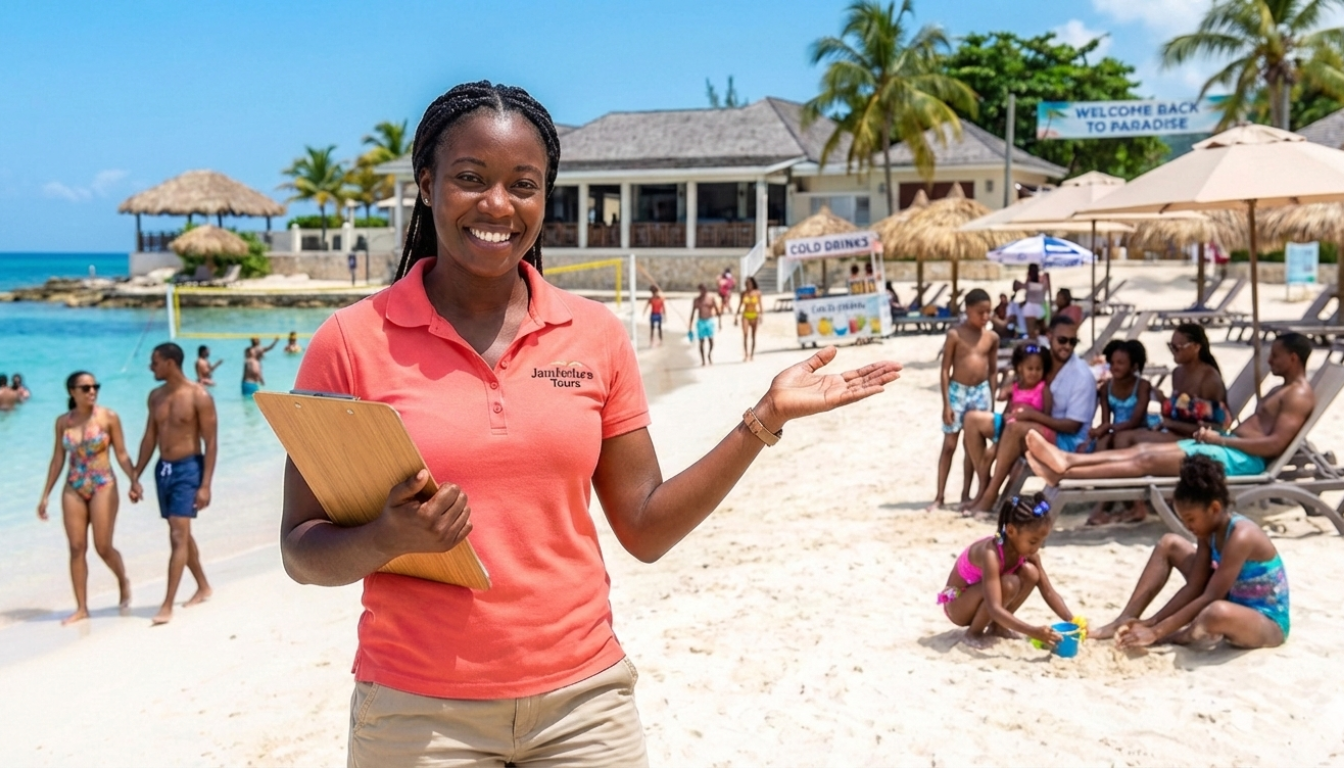
When it comes to Jamaica travel safety 2026, I know you might be wondering: Is Jamaica okay to visit right now after Hurricane Melissa?
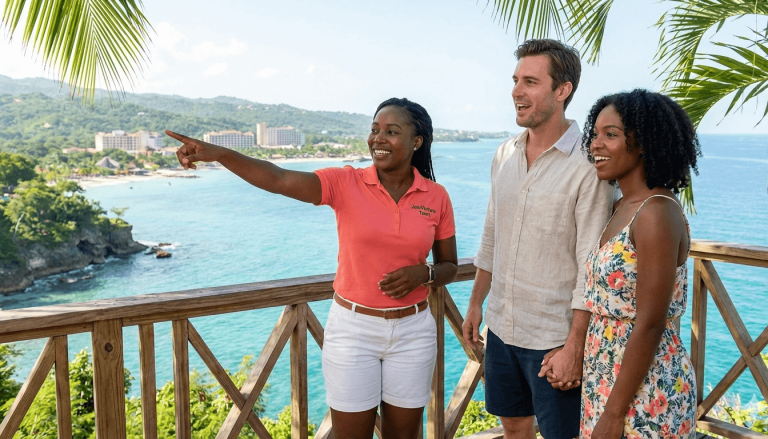
Let me put your mind at ease. Yes, Jamaica is absolutely ready to welcome you. The major tourism areas (Montego Bay, Negril, Ocho Rios) have made remarkable progress in recovery, and you’ll find hotels, restaurants, attractions, and beaches open and operating. Most visitors arriving in Jamaica right now are having the exact vacation they hoped for.
I’m Maya Sterling, a travel writer and local guide with JamVenture. I’ve lived in Montego Bay my whole life, and I’ve been through more than a few hurricane seasons. I’m writing this comprehensive Jamaica travel safety 2026 guide to give you honest, practical information about what to expect right now. Not scary headlines, just real talk from someone who’s here on the ground. Whether you’re arriving next week or planning for a few months from now, here’s what you need to know about visiting Jamaica in January 2026.
What’s Actually Open Right Now in Jamaica
Here’s the good news: Jamaica’s tourism sector bounced back faster than many expected. Both major airports (Sangster International in Montego Bay and Norman Manley in Kingston) are fully operational with normal flight schedules.
According to recent updates from Jamaica’s Tourism Minister and the Jamaica Tourist Board, about 70% of hotels reopened by mid-December 2025, and that number has climbed to roughly 80% as of January 2026.
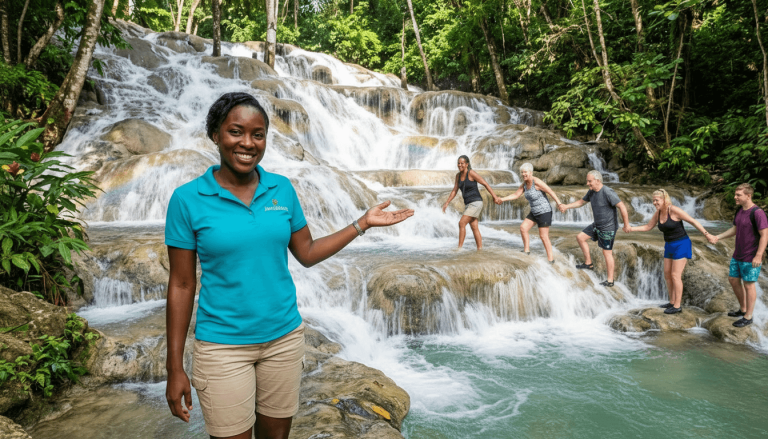
In Negril, most properties along Seven Mile Beach are welcoming guests. The beach itself is as gorgeous as ever, and the classic beach bars and restaurants are serving up Red Stripes and jerk chicken just like always. Dunn’s River Falls in Ocho Rios is open, and tour operators are back to running their regular excursions.
I won’t sugarcoat it. Some major resorts in Montego Bay and along the south coast are still completing repairs and won’t reopen until later this year. If you’ve booked at a specific hotel, confirm directly with them. But the overall picture? Jamaica is very much open for business and ready for visitors.
How Jamaica Travel Safety Looks in January 2026
Let me address the safety question directly because I know it’s on your mind, and it’s a fair concern.
First, the post-hurricane situation: Western Jamaica, which took the brunt of Hurricane Melissa’s impact, is in active recovery. Some communities are still rebuilding homes and infrastructure. But tourist areas—where you’ll actually be spending your time—have been prioritized and are functioning well. Roads have been cleared, power has been restored to most tourism zones, and essential services are available.
Just this week, the U.S. State Department lowered Jamaica’s travel advisory back to Level 2 (Exercise Increased Caution), down from Level 3 during the immediate post-hurricane period. This reflects what I’ve been seeing on the ground: things are getting back to normal.
Now, about general safety in Jamaica because hurricanes aside, this question comes up a lot. Jamaica has areas with higher crime rates, mostly in certain inner-city neighborhoods of Kingston and parts of Montego Bay. These aren’t tourist areas, and honestly, you’d have no reason to go there. The places where you’ll be (resort zones, beaches, major attractions) see far lower crime rates.
Here’s what I tell every visitor: Use common sense. Don’t flash expensive jewelry or leave valuables unattended on the beach. Book reliable transportation with companies like JamVenture instead of negotiating with unlicensed taxis. Stay in well-traveled tourist areas, especially at night. These are the same precautions you’d take in any major city anywhere in the world.
I’ve lived here my entire life and I’ve helped hundreds of travelers navigate Jamaica safely. The vast majority of visitors have zero issues and leave saying they felt safer than they expected.
Getting Around: Transportation You Can Trust
Transportation is one of the biggest concerns I hear from first-time visitors, especially right now with recovery still ongoing.
The good news is that major roads connecting tourist areas have been cleared and repaired. The drive from Montego Bay to Negril, Montego Bay to Ocho Rios, and Kingston to Port Antonio are all operating normally.
That said, I strongly recommend booking your transportation ahead of time rather than figuring it out when you land. When you arrive at Sangster International Airport, you’ll be approached by multiple taxi drivers. Some are official JUTA taxis (look for red license plates), and they’re fine, but you’ll need to negotiate prices.
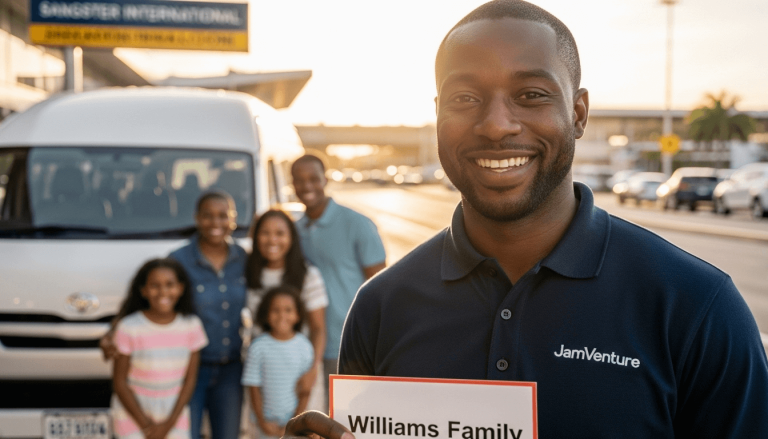
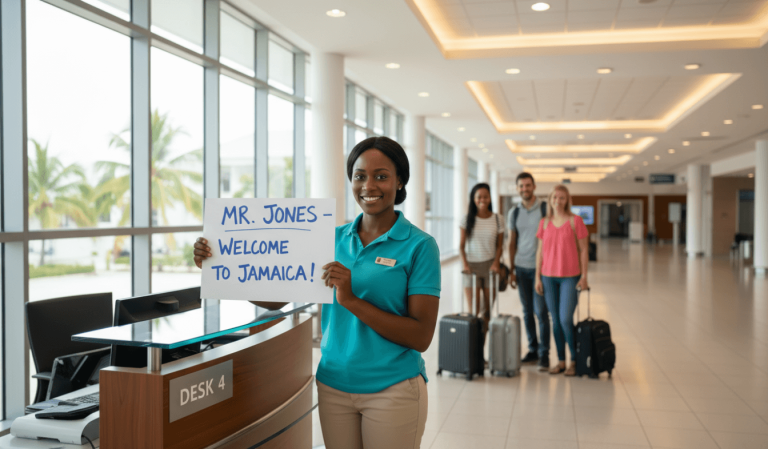
This is exactly why JamVenture offers airport transfers. Your driver meets you right at arrivals with your name on a sign, helps with your bags, and gets you to your hotel in a clean, comfortable, well-maintained vehicle. No stress, no negotiating when you’re tired from traveling. It costs about $25-35 USD from Sangster to most Montego Bay hotels, and the peace of mind is absolutely worth it.
If you’re planning day trips (say, Montego Bay to Dunn’s River Falls or Negril for a beach day), having reliable transportation makes all the difference. JamVenture can arrange these too, with drivers who know the roads, the best photo stops, and how to avoid any lingering recovery-related detours.
I don’t recommend renting a car unless you’re very confident driving on the left side of narrow, winding roads that can be challenging even in perfect conditions. Let someone else handle the driving so you can actually enjoy the scenery.
What to Expect: The Honest Reality Check
I want to give you realistic expectations about what you might see and experience in Jamaica right now.
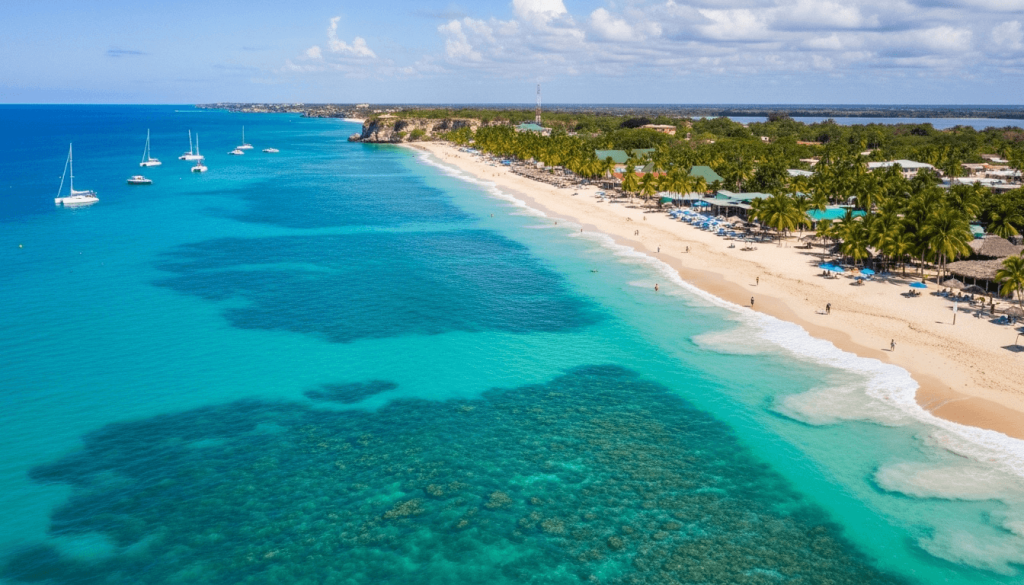
In tourist areas, your vacation experience will feel pretty normal. Hotels are staffed and operating, restaurants are serving great food, beaches are clean and beautiful, and attractions are running their tours. You’ll get the Jamaica experience you came for.
That said, if you’re driving between towns or exploring beyond the main resort zones, you might see some lingering effects of the hurricane. Downed tree branches here and there, some buildings still under repair, maybe a temporary roof or two. In western parishes like St. Elizabeth and parts of Hanover, recovery is more visible and ongoing.
That said, many Jamaicans (including people who work at hotels and restaurants) had their homes damaged or destroyed. They’re showing up to work every day to welcome you with smiles and incredible hospitality while they’re personally dealing with recovery. That’s the Jamaican spirit, and it’s one of the things I’m most proud of about my country.
When you visit now, you’re not just having a vacation, you’re directly supporting Jamaica’s recovery. Tourism is about one-third of our economy, and every dollar you spend on accommodation, food, tours, and transportation helps families rebuild and communities get back on their feet. Your visit matters more than you might realize.
Top Attractions and Beaches: What’s Available
Most of Jamaica’s iconic attractions are open and ready for visitors. Dunn’s River Falls in Ocho Rios, one of our most famous landmarks, is operating normally. You can still climb the terraced waterfalls with a guide, take incredible photos, and cool off in the natural pools.
Seven Mile Beach in Negril is stunning as always. The sand is soft and white, the water is that impossible turquoise you’ve seen in photos, and the beach bars are serving cold drinks and playing reggae. Some sections have loungers available for $5-10 USD for the day, or you can just spread your towel and claim your spot, it’s a public beach.
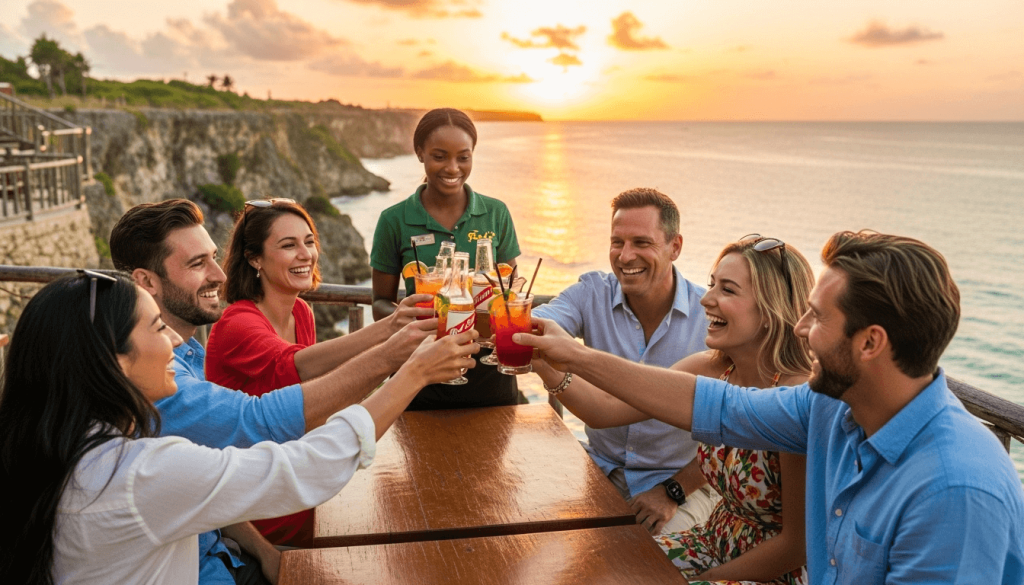
The Blue Mountains are accessible for hiking and coffee tours. Rick’s Café in Negril is open for cliff diving and sunset watching. Mystic Mountain in Ocho Rios has resumed operations with their bobsled ride and zipline canopy tours.
If you’re staying in Montego Bay and want to explore, JamVenture can arrange day trips to any of these spots. Having a knowledgeable local guide makes the experience so much better. They know the best times to visit, the photo spots tourists usually miss, and the history behind everything you’re seeing.
Quick Practical Tips for Your Jamaica Visit
Here are the essentials you should know before you arrive:
✓ Confirm your hotel status – Most places are open, but if you booked at a specific resort, confirm directly that they’re operational and what amenities are available.
✓ Book transportation ahead – Skip the airport taxi negotiation. JamVenture offers reliable pickups from $25-35 USD, and you’ll start your vacation stress-free.
✓ Bring cash (USD works) – US dollars are accepted almost everywhere, but have some Jamaican dollars for small purchases. Current exchange rate is about 155 JMD to 1 USD. ATMs are widely available in tourist areas.
✓ Pack the essentials – Sunscreen, bug spray, and any prescription medications you need. Don’t forget a reusable water bottle and comfortable walking shoes.
✓ Stay hydrated – Drink bottled water. It’s not that tap water will make you sick, but your stomach isn’t used to it. Bottles cost about 100-150 JMD (under $1 USD) everywhere.
✓ Use official taxis – If you’re not using JamVenture, look for red JUTA license plates. Always agree on the price before getting in.
✗ Don’t skip travel insurance – Medical care can be expensive, and some western areas still have limited healthcare facilities. Coverage is worth it.
✗ Don’t flash valuables – Leave expensive jewelry at home, keep phones secure, and don’t walk around with large amounts of cash visible.
✗ Don’t venture into unfamiliar areas alone at night – Stick to well-lit, tourist-friendly areas after dark, especially if you’re solo.
Frequently Asked Questions
Q: Will I see a lot of hurricane damage during my trip?
In the main tourist areas, probably not much. Hotels and attractions that are open have been repaired and are operating normally. If you take drives through western Jamaica or venture into smaller communities, you’ll see more evidence of recovery work—but it won’t impact your actual vacation experience in resort zones.
Q: Is it inappropriate to vacation in Jamaica right now while people are still recovering?
Actually, the opposite. Tourism is one of the best ways you can support Jamaica’s recovery. Your visit puts money directly into the local economy, helps people keep their jobs, and supports families who are rebuilding. Jamaicans want you here, and we’re ready to welcome you.
Q: Are beaches and water activities safe after the hurricane?
Yes. Beaches in tourism areas have been cleaned and assessed. The water is as beautiful as ever. Stick to beaches with lifeguards if you’re not a strong swimmer, and pay attention to any posted warnings about currents or conditions.
Q: Do I need special vaccinations or health precautions?
No special vaccinations are required for Jamaica. The main health tip is drinking bottled water and using insect repellent, especially during early morning and evening when mosquitoes are most active. Standard travel precautions apply.
Q: How much should I budget per day in Jamaica?
It depends on your style. Resort all-inclusive rates cover most expenses. If you’re eating at local spots (which I highly recommend, try Scotchies for jerk chicken, about $8-12 USD for a meal), budgeting $30-50 USD per day for food is reasonable. Tours and excursions range from $50-150 USD depending on what you’re doing. JamVenture can help you plan experiences that fit your budget.
Q: Can I trust the food and restaurants?
Absolutely. Jamaica has good food safety standards, especially in tourist areas. I eat at local restaurants and food stands all the time. The trick is eating at busy places where you see locals eating. That’s always a good sign the food is fresh and delicious. Avoid anywhere that looks deserted or where food has been sitting out for hours.
The Bottom Line: Should You Visit Jamaica in January 2026?
Look, I’ve walked you through everything you need to know about visiting Jamaica right now. The honest truth is this: we’re ready for you. Hotels are open, beaches are beautiful, attractions are operating, and Jamaicans are as welcoming as ever.
Yes, some communities are still rebuilding. Yes, you might see a few signs of recovery if you venture beyond resort areas. But your actual vacation experience? It’s going to be exactly what you hoped for, warm sun, crystal-clear water, incredible food, vibrant music, and genuine hospitality.
Jamaica has been through hurricanes before, and we always bounce back. That’s what we do. We’re resilient, we’re strong, and we’re proud of our island.
Your visit right now makes a real difference. Every meal you buy, every tour you take, every night you stay in a hotel directly supports Jamaican families and helps our communities recover and thrive.
If you need reliable transportation from the airport, day trips to attractions, or just want peace of mind knowing you have local experts looking out for you, JamVenture is here. We’ll pick you up, show you the best of Jamaica, and make sure you feel safe and welcome every step of the way.
So pack your bags, bring your sunscreen, and get ready. Jamaica is waiting for you, and I promise—you’re going to love it here.
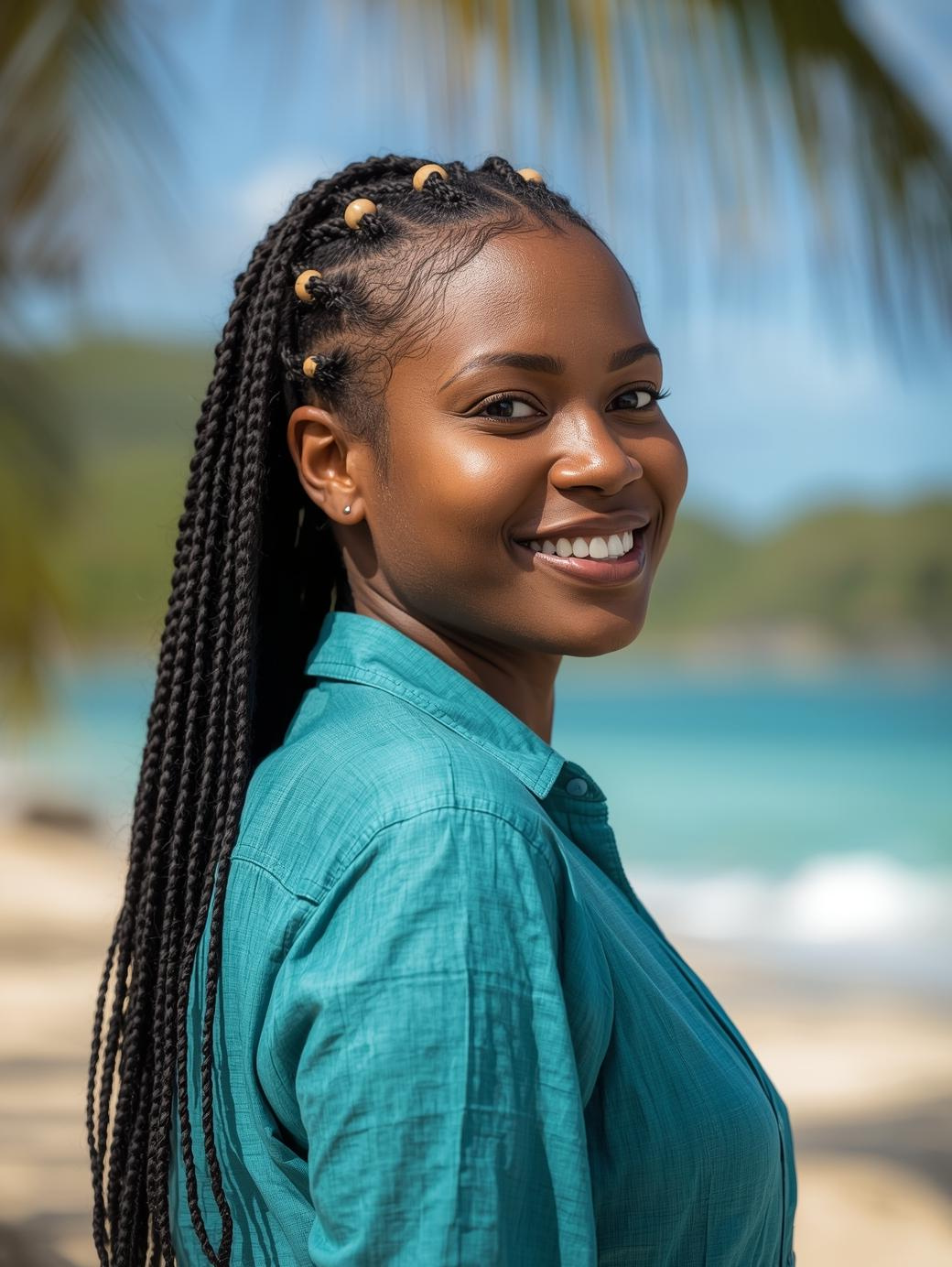
I’ve lived in Montego Bay my entire life, and I still discover something new about Jamaica every week. I’m Maya Sterling, a travel writer and local guide at JamVenture who loves helping visitors experience the real Jamaica—not just the resort version. When I’m not writing or leading tours, you’ll find me exploring hidden beaches and perfecting my jerk chicken recipe.